Saturday, 16 January 2016

सिर्फ़ 75 घर वाले इस गांव ने देश को 47 आईएएस अधिकारी दिए हैं

ये कोई राज्य नहीं बल्कि एक उत्तर प्रदेश के जौनपुर जिले का एक गाँव है जिसमें सिर्फ अफसर जन्म लेते हैं, और इस गाँव का नाम है माधोपट्टी अर्थात माधवपट्टी ।

माधोपट्टी एक ऐसा गांव है जहां से देश को कई आईएएस और ऑफिसर मिलते हैं। कहने को इस गांव में केवल 75 घर हैं, लेकिन सिर्फ वर्तमान की बात की जाए तो यहां के 47 आईएएसअधिकारी विभिन्‍न विभागों में सेवा दे रहे हैं, यदि PCS और आईपीएस की बात की जाए तो ये लिस्ट न जाने कहाँ पहुंचे । इस गाँव का योगदान सिर्फ यहीं खत्म नहीं होता , माधोपट्टी की धरती पर जन्मे सपूत इसरो, भाभा
, काई मनीला और विश्‍व बैंक तक में अधिकारी बनते हैं। यह गाँव सिरकोनी विकास खण्ड का एक छोटा सा हिस्सा है ; मगर देश के प्रशासनिक खंड में यह गाँव एक बड़ा हिस्सा कवर करता है। इस गांव के अजनमेय सिंह विश्‍व बैंक मनीला में, डॉक्‍टर निरू सिंह लालेन्द्र प्रताप सिंह वैज्ञानिक के रूप भाभा इंस्टीट्यूट तो ज्ञानू मिश्रा इसरो में सेवाएं दे रहे हैं। यहीं के रहने वाले देवनाथ सिंह गुजरात में सूचना निदेशक के पद पर तैनात हैं.

कहाँ से शुरू हुई ये होड़ :

कहते हैं 1952 में इस गाँव के इन्दू प्रकाश सिंह का आईएएस परीक्षा में दूसरी रैंक के साथ सलेक्शन क्या हुआ मानो यहां के युवाओं में अधिकारी बनने की होड़ लग गई । क्या लड़के क्या लडकियां , ये गाँव बस अधिकारी निकालता ही चला गया ।

आईएएस बनने के बाद इन्दू प्रकाश सिंह फ्रांस सहित कई देशों में भारत के राजदूत रहे। सिंह के बाद इस गांव के चार सगे भाइयों ने आईएएस बनकर एक इतिहास रच दिया जो भारत में अब तक अविजित कीर्तिमान है। इन चारों सगे भाइयों में सबसे बड़े भाई विनय कुमार का चयन 1955 में आईएएस की परीक्षा में 13वीं रैंक के साथ हुआ । विनय सिंह बिहार के मुख्यसचिव पद तक पहुंचे ।

सन् 1964 में उनके दो सगे भाई क्षत्रपाल सिंह और अजय कुमार सिंह एक साथ आईएएस अधिकारी बने। क्षत्रपाल सिंह तमिलनाड् के प्रमुख सचिव रहे। वहीं चौथे भाई शशिकांत सिंह 1968 आईएएस अधिकारी बने। सिर्फ बेटे ही नहीं इस गाँव की बेटियां गरिमा सिंह आईपीएस और सोनल सिंह का चयन IRS में हुआ। इसके अलावा इस गांव की आशा सिंह 1980, उषा सिंह 1982, कुवंर चद्रमौल सिंह 1983 और उनकी पत्नी इन्दू सिंह 1983, अमिताभ बेटे इन्दू प्रकाश सिंह 1994 आईपीएएस उनकी पत्नी सरिता सिंह 1994 में चयनित होकर इस श्रृंखला को आगे बढ़ाया ।

इसी गाँव के शृीप्रकाश सिंह IAS,वर्तमान में उ.प्र.के नगर विकास सचिव हैं । 2002 में शशिकांत के बेटे यशस्वी न केवल आईएएस बने बल्‍कि इस प्रतिष्ठित परीक्षा में 31वीं रैंक हासिल की।

उच्च सेवाओं के अलावा :

अगर आईएएस आईपीएस से थोड़ा पीछे आएं और बात करें PCS सेवा की तो पीसीएस अधिकारियों की यहां एक लम्बी फौज है। इस गांव के राममूर्ति सिंह ,विद्याप्रकाश सिंह , प्रेमचंद्र सिंह , महेन्द्र प्रताप सिंह ,जय सिंह ,प्रवीण सिंह व उनकी पत्नी पारूल सिंह ,रीतू सिंह पचस अधिकारी हैं इनके अलावा अशोक कुमार प्रजापति, प्रकाश सिंह ,राजीव सिंह ,संजीव सिंह ,आनंद सिंह ,विशाल सिंह व उनके भाई विकास सिंह ,वेदप्रकाश सिंह ,नीरज सिंह भी पीसीएस अधिकारी बने चुके हैं। अभी हाल ही 2013 के आए परीक्षा परिणाम इस गांव की बहू शिवानी सिंह ने पीसीएस परीक्षा पास करके इस परम्परा को जीवित रखा है ।

Sunday, 27 December 2015

Separate syllabus for XI, XII in UP Board from 2016-17


Madhyamik Shiksha Parishad (UP Board) will have separate course curriculum for classes 11 and 12 on the lines of Central Board of Secondary Education (CBSE). Currently, combined syllabus of both classes is asked in the Intermediate board exams. The board plans to enforce it from academic year 2016-17.


An official said that the UP Board was following the same decades' old pattern of syllabus while other government and non-government boards had made changes in tune with the time.


"Students appearing in Intermediate exams also appear in engineering and medical competitive exams. These exam conducting agencies too have changed their pattern in recent times. However, we have continued with the old way. Hence, we have decided to completely revamp the Intermediate syllabus," said the officer preferring anonymity.


UP Board secretary Shail Yadav said, "Currently, class XI students are following the old syllabus. In class XII few chapters may be added or removed. Deliberations are underway to bifurcate the syllabus and develop a new pattern within a give time to ensure that students do not face sudden change in the syllabus in next academic year."
UP Madhyamik Shikshak Sangh treasurer Kamlesh Kumar welcomed the decision and said, "Board should apprise students of exam pattern well in advance to remove confusion regarding the syllabus for the board exams."

"The UP Board is updating itself on the lines of CBSE. However, implementation is marred by confusion and chaos. The board should avoid any glitches and take teachers and students in confidence as they will bear the brunt of sudden change in the syllabus," said Kamlesh.


Set up in 1921, UP Board conducted its first examination in 1923. It is the only board in the country that adopted 10+2 system of examination. Currently, more than 22,000 secondary schools are recognized by the UP Board of High School and Intermediate Education.

Thursday, 17 December 2015

Off...Heavy school bags..

Do you find something weird in this picture? No..are you sure. Didn't you notice heavy bags on small shoulders. Actually its obvious scene for us, so we didn't bother about it. In fact most of parents know that its a threat for health of their kid, but helpless because its all about education and school discipline.  Recently Mr. Vinod Tawde (Education Minister in Maharastra) has said that education department has started the process for reducing the weight of giant bags. Kids are almost left with no option than to carry heavy school bags to schools.It has been observed by pediatricians that such a thing automatically leads to strained backs and necks in growing children.
The reason of this heavy begs are not always books only, sometimes it sports gear, tuition books and water bottles.Here are few suggestions to reduce the weight of school begs.
  • Schools can provide lockers to students so they could put few things in school itself.
  • Ask your kid to pack only required books not all syllabus books.   
  • Pack the heaviest item on bottom and lightest item on the top.
  • clean your bag out weekly.
Hope this will be helpful. Try to make your kid organised so his shoulders can carry only required weight.  


Saturday, 12 December 2015

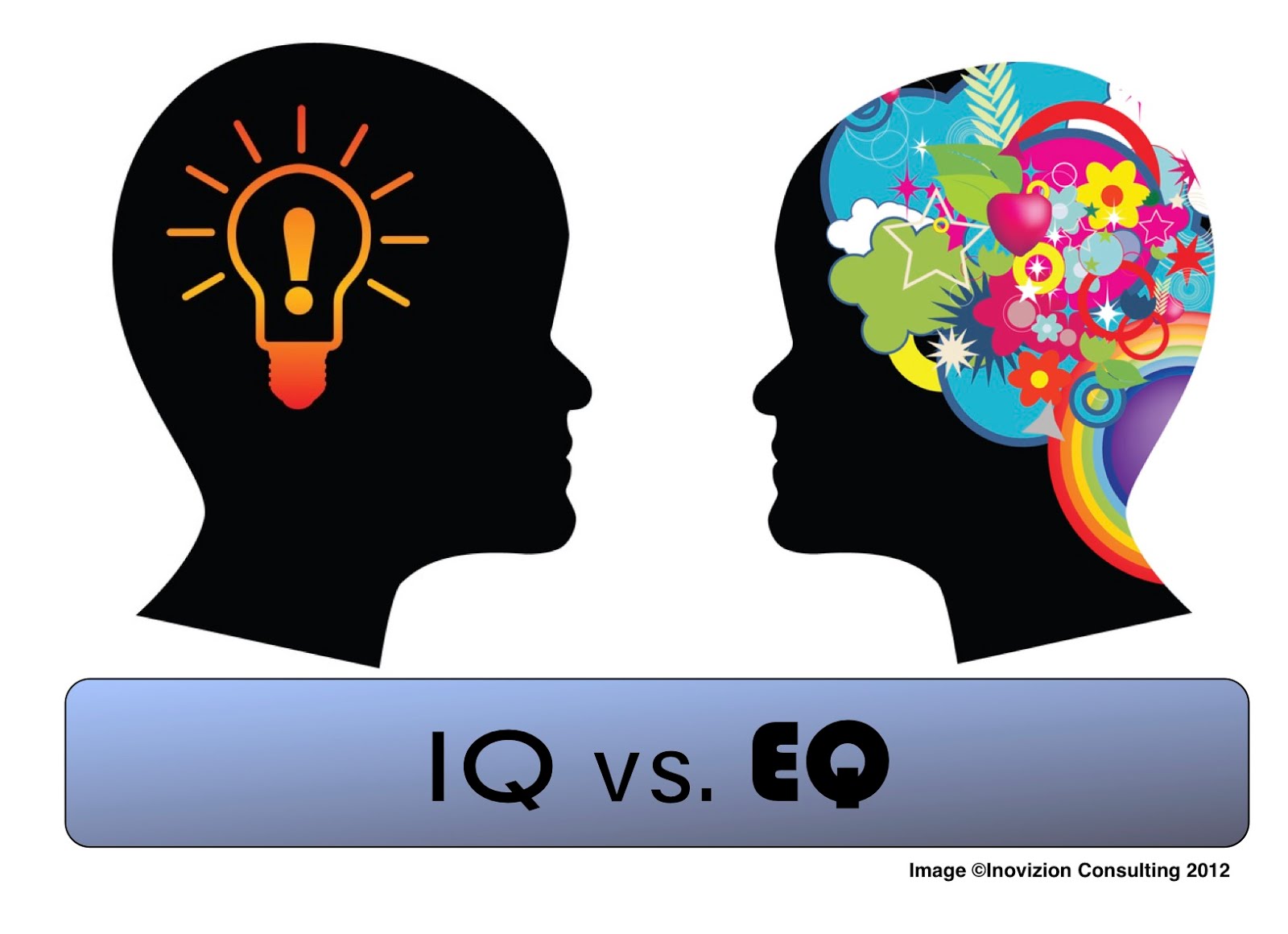
It's IQ vs. EQ

Since our childhood we keep on listening about high and low IQ. I have challenged myself many times and checked my IQ on different websites. But the latest study says its not just good IQ but good EQ (emotional Quotient) too a critical factor of success on and off the job. The term of EQ first appeared in 1990's and it sparked off the significant point of discussion "Why do people with average IQs outperform others with considerably high IQs, almost 60-70% of the time.After doing researches from decades the conclusive point to the fact we got is that EQ plays a vital role in to make star performers.

EQ can be described as combination of emotional and social skills and it increase the capacity to cope effectively with pressure and demand in job or life. Recently Microsoft CEO Satya Nadella on his first visit to India after he took over the software empire observed that "In a long run EQ trumps IQ . Without being a source of energy for others very little can be accomplished." 
When IQ starts developing at an early age of 6 and peaks at 17 on the other hand EQ can be developed well beyond 65 years or more.IQ is a threshold requirement to get a job, EQ can be used to help educated students to be more aware about their emotions and those of others. 


Monday, 30 November 2015

An inspiring story of hardiness.

Most of parents in today's time spend a good amount of their salary to give facilities to their 

little ones, so they could concentrate on their studies to bring good marks for better future.

 Here we are going to share the story of Muhammad Ali Shihab , he cracked the IAS 

exam while leaving in an orphanage.

He was born in a remote village of Kerala named Edavannappara. In his childhood he used to help his father in selling betel leaves and bamboo basket  in a makeshift pan shop. After his father’s death, he was put into an orphanage, as his mother was too poor to bring him up properly. He even made to in Class V in order to get admission to the orphanage.In orphanage he was inspired by his teachers. Life in orphanage taught him about systemic life.According to his interview in The Hindu,he said " I used to read in scant light under the cover of bedsheet and pillows in order to not to disturb my friends sleeping in the neighboring dormitory. In fact, i was violating the orphanage rules."  
Shihab said he has cleared 21 exams conducted by various government agencies so far. But he only aim was UPSC. And he got the same with his hard work.
To read full article:http://www.thehindu.com/todays-paper/tp-features/tp-educationplus/an-inspiring-tale-of-fortitude/article2099608.ece

Friday, 27 November 2015

Education System In India


we are in a country where people are spending their parent’s life savings and borrowed money on education – and even then not getting standard education, and struggling to find employment of their choice. In this country, millions of students are victim of an unrealistic, pointless, mindless rat race. The mind numbing competition and rote learning do not only crush the creativity and originality of millions of Indian students every year, it also drives brilliant students to commit suicide.
  • Focus on Skill Based Education
  • Reward Creativity, Original Thinking, Research and Innovation
  • Get Smarter People to Teach
  • Technology Infrastructure for Education
  • Re-Define the Purpose of Education
  • Effective Deregulation 

We also live in a country where the people see education as the means of climbing the social and economic ladder. If the education system is failing – then it is certainly not due to lack of demand for good education, or because a market for education does not exist.
Education system in India is failing because of more intrinsic reasons. There are systemic faults that do not let our demand for good education translate into a great marketplace with excellent education services. I discussed the reasons previously in this article: Will Education make a comeback in India?
Let’s explore something else in this one: what should change in India education system?


Monday, 9 November 2015

The National Policy on Education

The first National Education Policy was introduced in 1968 under the Indira Gandhi government. The policy has been reviewed in the subsequent years. 

In 1986, Rajiv Gandhi announced the second policy on education which resulted in Operation Blackboard, a centrally-sponsored programme to supply the bare minimum crucial facilities to all primary schools.

 In 1992, this policy was modified under the prime ministership of P.V. Narsimha Rao.

Now, the Subramanian panel will assess the status of the present education scenario, assimilate the feedback based on grassroot-level consultations and draft a new one keeping in mind the changed social, economic and technological context.


The committee will be asked to submit its report by year end.

The HRD Ministry, under Smriti Irani, had earlier this year launched nation-wide consultations, at gram panchayat, block, district and state level, to collect feedback and suggestions for the new policy. This feedback will be provided to the drafting committee.
We wish this coming NPE will be more focused on education of modern technology yet to emphasis on moral education as well.